
At my house, we already have had a dove hit her head on a window in the first squall that blew through. She was dazed but flew off after a few minutes. It is quite common for neighbors in our community to find injured birds, squirrels, possums, and other creatures after hurricanes. Usually, the best thing you can do is leave the creature alone unless they are obviously in distress. Then, call a rescue group listed on this page.
After a storm, you may encounter a small animal that seems orphaned or abandoned. Rarely are animals actually orphaned; the parent may be searching for food or observing its young from a distance. Do not pick up baby animals or remove them from their natural environment. Instead, report wildlife you think may be injured or orphaned to the nearest FWC Regional Office.
When encountering injured wildlife, please contact the appropriate FWC-licensed wildlife rehabilitator in your area. A list of wildlife rehabilitators by county can be accessed here: Licensed Wildlife Rehabilitators.
For more information, visit our Injured and Orphaned Wildlife webpage.

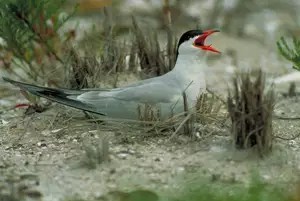
Although storms can have short-term negative impacts on nesting shorebirds and seabirds, storms often create new nesting habitat. Please be aware that hurricanes and tropical storms may change where shorebirds and seabirds nest in coastal areas, and give them space for the best chance at nesting success.
Alligators may be observed more frequently in flooded areas after a hurricane or tropical storm. As with all wildlife, treat alligators with respect, keep them at a distance and give them space. If you believe a specific alligator poses a threat to people, pets or property, call the FWC’s toll-free Nuisance Alligator Hotline at 866-FWC-GATOR (866-392-4286). The FWC places the highest priority on public safety and will dispatch one of our contracted nuisance alligator trappers to resolve the situation. Find more information about living with alligators.
 33707news.com