
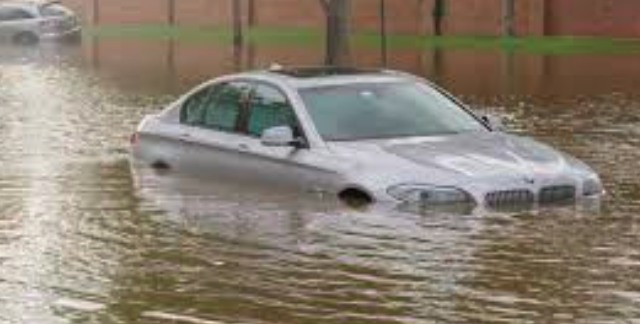
Will your car insurance pay for flood damage? If your car is damaged or ruined due to flooding, your auto policy’s comprehensive coverage may pay to repair or replace your vehicle, minus your deductible. Comprehensive can cover a variety of water damage, including flooding, heaving rains, and hailstorms.
In addition to water damage, comprehensive covers other types of storm damage. If a falling branch damages your windshield or windows during a storm, or if hail puts dozens of dents in your vehicle, comprehensive may pay to repair the damage. If you don’t have carry comprehensive coverage, the cost to fix your vehicle will come out of your own pocket.
Flood insurance through FEMA is for your home. Your car insurance covers damage to your vehicle. Damage to motor vehicles is excluded from a flood insurance policy, which is designed to protect your home and belongings. So, if you have a damaged, car, call your auto insurer.
Your car was flooded but still runs. If your car sustained water damage after heavy rain, the effects might be delayed. If you’re able to start up your vehicle after a flood recedes, it may not continue to run. Delicate internal instruments and computers may be damaged, so you may want a professional mechanic to take a look at it. You may want to call your insurance company and immediately document the vehicle’s damage and file a claim.
File a claim. Your insurance company, along with a qualified mechanic, will uncover how extensive the problems caused by flood damage may be. Once the storm passes and the surrounding area is safe, you may want to contact your insurance company as soon as possible to begin the claims process. Documenting your vehicle’s state before the storm by taking photos, then doing the same for post-storm damage by taking notes and capturing photos is typically helpful, but make sure you watch out for broken glass and debris during the process.
Among other inspections, they will:
Once the extent of your vehicle’s flood damage is determined, your insurance company will weigh the costs to repair the vehicle against the cost of replacing it. If your car is totaled (considered a total loss) by the insurance company, be sure to review what that means with your insurance agent.
Check the oil dipstick. Look for water droplets, which likely indicate that there is water in your engine. If that’s the case, the cylinders, which are supposed to compress air instead of water, may be broken.
Your repair shop should change the oil and transmission fluid. If the car is not totaled, you’ll want to do this again after the car is in good condition and you’ve been driving it for several hundred miles.
Check the interior. If floodwaters were more than a few feet deep, water probably made it to the inside of your car.
Remove all moisture. They might use a wet/dry vacuum to collect standing water in your vehicle, cloth towels to absorb water that has soaked into the seats and carpet, and fans and dehumidifiers to accelerate the drying process.
Check electrical components. The mechanic might need to replace electrical components.
Check the fuel tank and line. A siphon pump might be used to remove some fuel in order to see if water is present. If water is found in the fuel (which would naturally separate from the fuel), they will empty the fuel tank completely.
The car is totaled without insurance: If your vehicle is totaled by storm damage, but you don’t have comprehensive insurance, you will likely have to pay for repairs out of pocket. Sometimes disaster funds are available to help, so it might be worth contacting government agencies like the Federal Emergency Management Agency (FEMA) or nonprofits to see if any financial relief is available.
You’ve filed a claim but the appraisal is too low. During natural disasters like hurricanes, insurance companies may be inundated with claims, and appraisers may be more prone to clerical errors. If you think your vehicle’s value has been miscalculated, you can dispute it. It’s also possible to bring in a third-party appraiser, but you may want to start by speaking with the insurance provider to see if a resolution can be reached.
Your claim is denied. Your insurance company should not deny your claim if you have the proper coverage. Mistakes and misunderstandings can happen, however. If you feel your claim was denied in error, keep calm and contact your claims adjuster for further information.
 33707news.com